

Why do we want to live in the 2000s again?
The pop star era, the party girl, the flip phone: what the nostalgia is actually asking for.
Why are we trying to relive the 2000s? The pop star culture, the messy girl and the party girl era, less focus on a detailed wellness routine, living an offline life, spending time with friends, flipping through magazines.
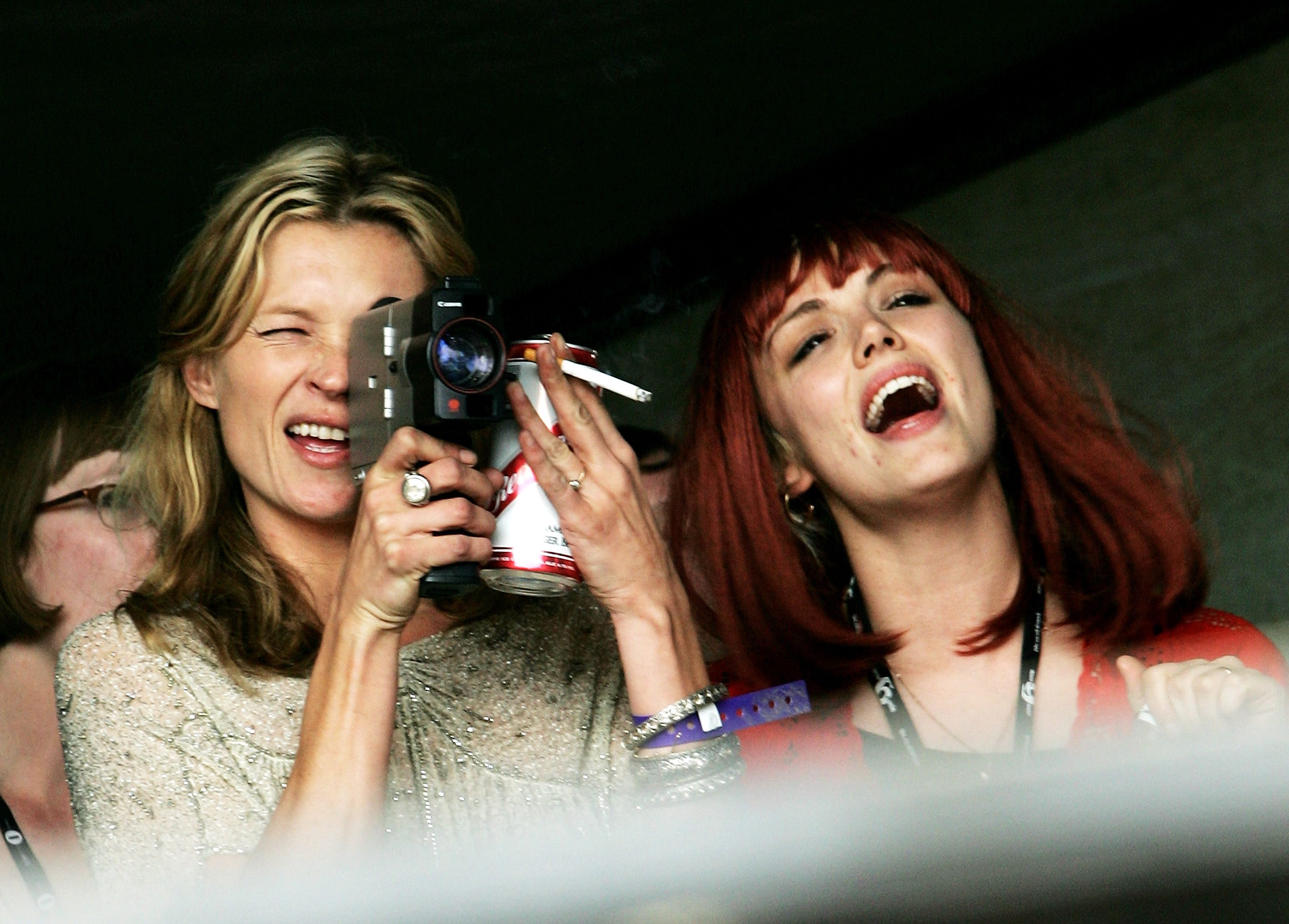
Look around and it’s everywhere. In The Conversation, fashion historians tracking the indie sleaze revival describe it as a reaction to a culture that has become far more curated, a refusal of optimization and an acceptance of visible flaws rather than managing them away. Charli XCX made the unpolished aesthetic mainstream again with Brat. And according to Who What Wear, the comeback is rooted in more than fashion: from swapping smartphones for flip phones to the return of the digital camera. There’s a growing desire for physical media and real-life experiences, so a shift away from aesthetics that feel inauthentically clean-girl-coded. We’re talking about being intentional about consumption and how you spend your time on the screens.
So what is actually going on? I think it’s become overwhelming to consume this much information and to be constantly exposed to what everyone else is doing, their successes, and even their failures.
The data backs that up. Pew Research Center found that 96% of teens use the internet daily, and the share who say they’re online “almost constantly” has roughly doubled in a decade, from 24% to 46%. And in a separate Pew study, most teens said they at least sometimes feel happy and peaceful when they don’t have their phone. We know exactly what the constant connection costs us. We just haven’t figured out how to put it down.
While I think this exposure has allowed us to gain different perspectives and understand how other people approach things, at the same time it’s limiting us from fully exploring what we’re all about. We spend more energy trying to match what’s trending, because that’s what’s popular and that’s what gains traction, and less energy figuring out what we would have chosen on our own.
Psychologists studying the nostalgia wave have landed somewhere similar. Forbes psychologist Mark Travers points to research finding that the appeal of Y2K and “nostalgia core” aesthetics is psychological. A generation that came of age amid global crises, fast-paced technology and relentless online social comparison is using nostalgia as a temporary escape, a way to reconnect with a sense of safety.
In other words, we’re not actually homesick for 2003. Nobody is nostalgic for dial-up. What we’re nostalgic for is what that era protected without us knowing it: attention that belonged to us, nights that didn’t need documenting, taste built from what we stumbled into rather than what was served to us.
The 2000s revival isn’t really about the low-rise jeans. It’s a generation grieving the version of themselves that existed before the feed, and trying to buy her back one flip phone at a time.
What's Worth Your Attention
Worth Sitting With
The era we’re romanticizing is the last one before the algorithm knew us.
So the question isn’t how to dress like 2003. It’s what did you love, choose, and do back then, or before your feed existed, that you’d never have found through a For You page? That’s information about who you are without the input.
Worth Filtering
The revival, filtered.
Culture is offering us two versions of this comeback, and they are not the same thing.
The first is the “costume”: the exact low-rise silhouette, the smudged eyeliner, the flash photos staged to look candid. Even the writers documenting the revival admit the honest version is missing. As The Conversation puts it, the original indie sleaze was shaped by nightlife and real-world scenes, whereas the current version exists within a far more curated culture, so what remains is a stylized version of messiness. Performing 2006 for the 2026 feed is still performing for the feed. If the messy girl becomes another aesthetic to get right, we’ve missed the entire point of her.
The second version is the behaviour: the offline afternoon, the camera that isn’t a phone, the magazine instead of the scroll, the night out that lives in your memory and maybe twelve grainy photos, not forty-five stories. This is the part worth keeping, because it isn’t really about the 2000s at all. It’s about taking your attention back.
So filter it the way we always do here. Take the behaviours, leave the costume. Wear the trend only if it’s yours (you already know my position on that from the leopard capris article). And notice that the most radical thing in the entire revival isn’t a piece of clothing. It’s the idea that some of your life can happen unobserved.
That, in the end, is why I built Modern Socialites as a cultural filter applied to relevant topics and trends. And as females, it’s important to be a lot more intentional with the choices that we’re making, especially in an era where over consumption is really glamorized and having that next big shiny thing is considered a status symbol. The work is not to consume better trends. It’s to stay intentional about what gets in, take what’s useful to who you’re becoming, and leave the rest. That’s the whole practice: curating a life on your own terms.
From the salon,
— Sabina